
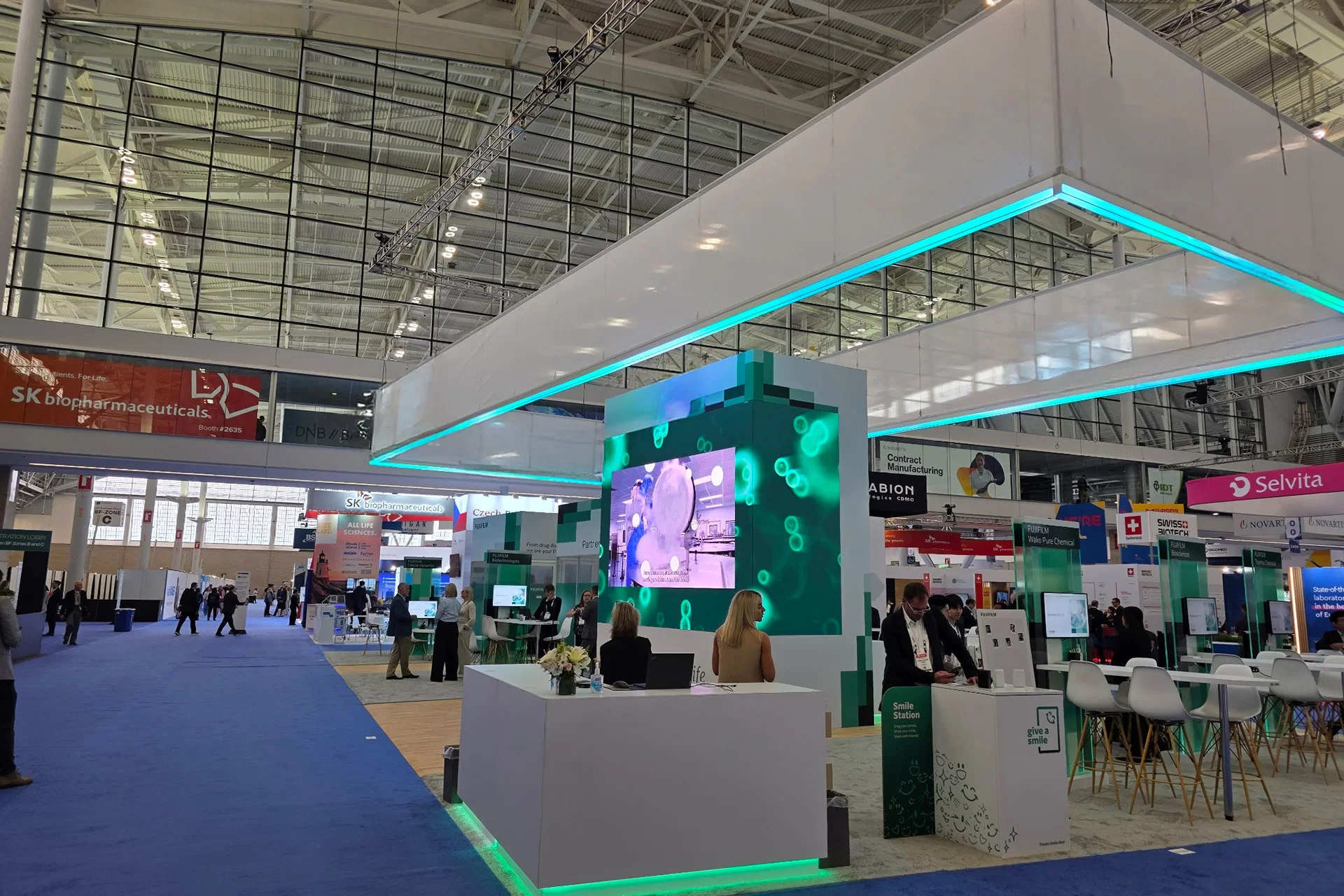
AV and Technical Production works best when the brief is tied to a real building, a real move-in window, and the kind of visitor behavior the event has to support.
AV and Technical Production works better when the handoffs are visible: client approvals, venue communication, production timing, crew direction, and closeout all need one shared path.
For AV and Technical Production, that usually means planning around Century II, downtown hotels, INTRUST Bank Arena, airport properties, Park City, Mulvane, Hutchinson, or another regional venue with its own access rules.
AV and Technical Production planning priorities
- Build the service plan around the venue clock, not around a loose wish list.
- Decide what has to be visible, staffed, powered, stored, moved, and reset before production is released.
- Confirm the support mix before orders, graphics, rentals, and crew calls become expensive to change.
- Keep client approvals, venue rules, and crew instructions in one operating path.
- Plan strike before opening day so reusable materials are packed, labeled, and returned correctly.
How AV and Technical Production should be handled
AV and Technical Production has to translate the event goal into practical field decisions. That means the booth, the room, the staff, the load-in window, and the strike plan all need to be scoped together instead of handled as separate tasks.
For AV and Technical Production, those decisions change by building. Century II, downtown hotels, INTRUST Bank Arena, airport properties, casino event space, hangars, civic centers, and regional arenas do not all give crews the same access, timing, or room behavior.
Venue fit for AV and Technical Production
AV and Technical Production should be matched to the Wichita venue before the team commits to production. A convention hall, hotel ballroom, arena floor, hangar, civic center, or regional event space will each change how freight enters, where crates can wait, how power is ordered, and how much supervision the install crew needs.
The static planning notes for this route point toward AV and Technical Production in the Wichita event market, Downtown, airport, arena, and regional moves, Labor, utilities, and venue rules for AV and Technical Production. In practice, that means AV and Technical Production should be checked against the venue manual, room dimensions, loading path, service order deadlines, and the specific audience flow expected on show day.
- Confirm whether AV and Technical Production needs convention-center, hotel, arena, hangar, or regional venue support.
- Tie power, internet, cleaning, freight, and storage orders to the exact building.
- Set the load-in sequence before graphics, rentals, AV, and labor are released.
Operating plan for AV and Technical Production
AV and Technical Production needs one operating plan that the client, venue, vendors, and field crew can all follow. The plan should name the booth footprint, the service mix, the approval deadlines, the freight path, the labor call, the show-hours support plan, and the closeout responsibilities before the room is active.
That operating plan keeps AV and Technical Production from turning into scattered decisions. If graphics change, the production schedule updates. If the venue changes access windows, the labor plan updates. If AV or rentals change the booth behavior, the install sequence updates with it instead of waiting for the crew to discover the conflict on site.
- Assign one field lead for AV and Technical Production.
- Keep approvals, freight, crew timing, and venue communication on the same calendar.
- Document what changes if the booth size, room assignment, or event schedule moves.
What the client should decide early
The early decisions for AV and Technical Production are not complicated, but they do need to be made in the right order. The venue or likely venue comes first, followed by event date, booth size, audience type, required demos or meetings, reusable assets, rental needs, graphics, AV, and the level of on-site support expected during show hours.
Once those facts are clear, AV and Technical Production can be priced and scheduled with fewer assumptions. The team can decide what should be custom built, what should be rented, what can ship from storage, what needs a new graphic package, and what needs to be approved by the venue before production begins.
- Venue, date, booth size, and audience goal.
- Build, rental, graphics, AV, furniture, and storage requirements.
- Approval owner for budget, design, service orders, and field changes.
Schedule and budget control for AV and Technical Production
AV and Technical Production should have a budget structure that separates must-have delivery items from optional enhancements. Core costs usually include booth structure or rentals, graphics, AV, venue services, freight, installation labor, show-hours support, dismantle, and storage or return logistics after the event.
The schedule for AV and Technical Production should protect decisions that are expensive to change late: artwork approval, rental reservations, service orders, electrical placement, freight cutoff, crew call time, and the final client review. A clear budget and schedule keep the project from becoming a series of rushed fixes.
- Separate required AV and Technical Production costs from optional upgrades.
- Track the deadlines that change price or availability.
- Keep budget approvals tied to real production and venue dates.
Show week control for AV and Technical Production
Show week is where AV and Technical Production either feels controlled or starts exposing weak assumptions. The crew needs labeled freight, clear drawings, updated graphics notes, service order confirmations, contact names, and enough time to solve ordinary field issues without rushing the final presentation.
A stronger AV and Technical Production plan also includes the end of the event. Strike, crate order, outbound freight, repair notes, cleaning, rental returns, and storage instructions should be decided before the aisle closes so the team does not lose time or assets during closeout.
- Check freight, crates, graphics, AV, and rental pieces before crew arrival.
- Keep a live punch list for fixes, substitutions, and client approvals.
- Close with photos, packing notes, repair flags, and next-event recommendations.
What changes once AV and Technical Production is live
Once the doors open, AV and Technical Production is judged by how easily visitors understand where to go, what to look at, who to talk to, and what action to take next. That puts pressure on sightlines, signage, demo readiness, staff positioning, lead capture, furniture placement, storage discipline, and technical support.
A strong live plan for AV and Technical Production also gives the client a way to respond without losing control. If a monitor fails, a graphic needs adjustment, a meeting area gets crowded, or the event schedule shifts, the support team should know what can be fixed immediately and what needs approval before it changes.
- Keep visitor movement, staff coverage, and demo readiness visible during the event.
- Set a decision path for quick fixes, substitutions, and client requests.
- Carry live-event notes into closeout so the next plan starts smarter.
AV and Technical Production questions
How should AV and Technical Production be scoped in Wichita?
AV and Technical Production should be scoped around the venue, the date, the booth size, the audience, and the support mix required to open the room cleanly. The first pass should identify graphics, rentals, AV, freight, labor, service orders, and the person responsible for field decisions during move-in.
What venue details matter most for AV and Technical Production?
For AV and Technical Production, the key details are dock or entry access, load-in hours, power and internet ordering, room dimensions, ceiling or rigging limits, storage options, cleaning, security, and the rules for outside labor. Those details decide whether the plan stays simple or needs a more controlled production schedule.
When should the AV and Technical Production plan be finalized?
The AV and Technical Production plan should be stable before graphics, rentals, freight, and labor are released. Some items can remain flexible, but the venue requirements, booth footprint, service orders, and installation sequence need enough certainty to protect cost and schedule.
What makes AV and Technical Production different from a generic exhibit request?
AV and Technical Production has its own operating pressure. The right scope changes based on audience expectations, room behavior, setup time, support staffing, and whether the event needs demos, meetings, sponsorship visibility, registration, hospitality, or a fast strike.
How does Trade Show Services of Wichita support AV and Technical Production?
For AV and Technical Production, we connect planning and field execution so the booth, venue, vendors, crew, freight, and closeout are not managed in isolation. The goal is a room that opens on time, supports the business conversation, and leaves the team with cleaner notes for the next event.